Your Guide to Healthcare Education
Become a Certified Nursing Assistant With Professional CNA Education
Becoming a Certified Nursing Assistant (CNA) supplies substantial benefits in the medical sector. Through skilled training, candidates obtain key skills and knowledge required for quality patient care. The rising demand for CNAs secures job security and promising career advancement. Grasping the training process and certification requirements is important. What elements should prospective CNAs weigh as they commence on this path? Examining this can elucidate the journey ahead.
Top Reasons to Start a Career as a CNA
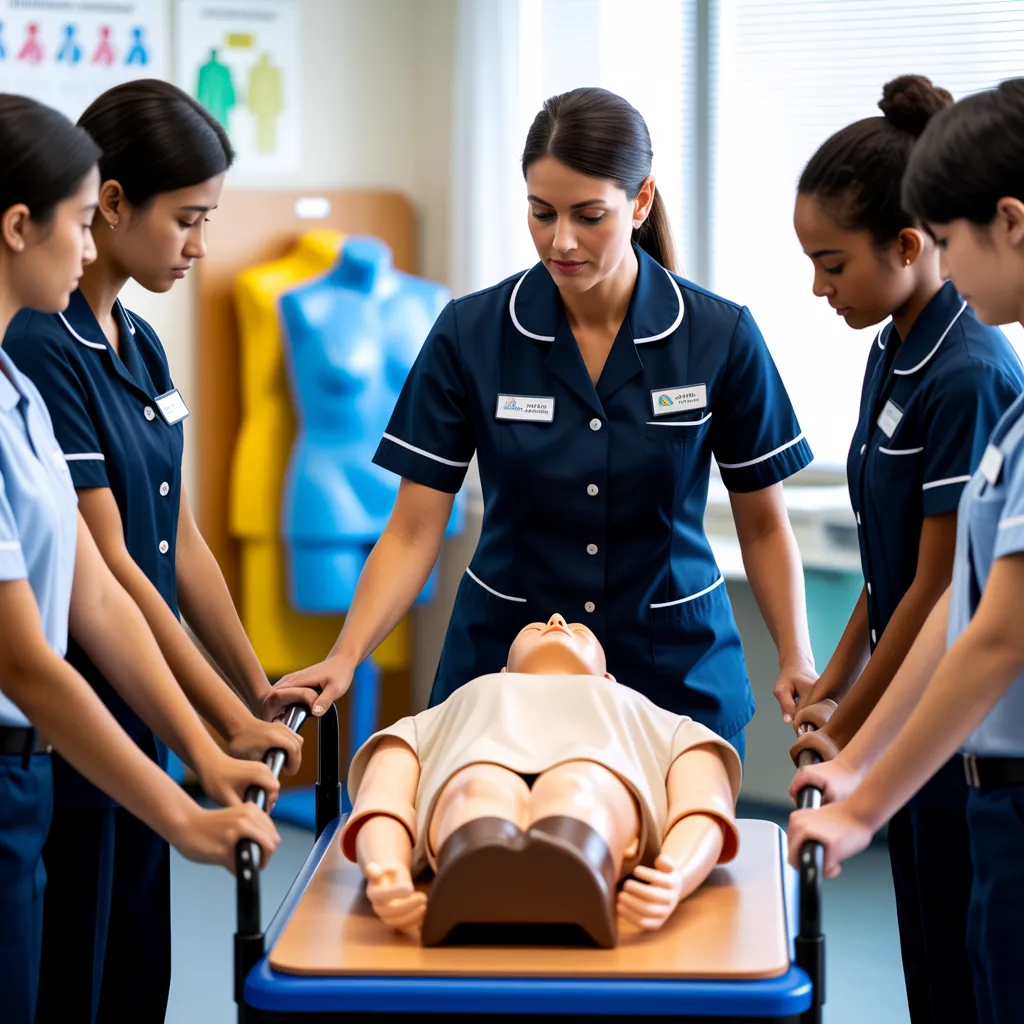
Pursuing a CNA position presents numerous advantages that appeal to individuals seeking a satisfying career path in the medical industry. One major advantage is the opportunity for direct patient interaction, enabling CNAs to make a meaningful difference on patients' lives. The market need for CNAs is rising, securing job stability and abundant employment opportunities across various facilities, including hospitals, nursing homes, and home health care.
Moreover, the preparation involved to become a CNA is relatively concise, allowing individuals to commence in the workforce rapidly. This availability makes the profession an enticing option for those seeking to launch a career in healthcare without extensive education. CNAs also have the capability to grow their professional trajectories in the medical industry, paving the way for supplementary education and certifications. Ultimately, the integration of work security, individual fulfillment, and career advancement opportunities makes qualifying as a CNA a striking option for several future medical professionals.
Fundamental Skills You'll Obtain in CNA Coursework
CNA training equips individuals with a fundamental skill set required for delivering quality patient care. One of the primary skills acquired is strong communicative abilities, enabling CNAs to engage with compassion with refer now patients and their families. Additionally, students master important monitoring techniques, allowing them to assess vital signs and report changes to nursing staff accurately.
Personal care competencies, such as washing, dressing, and providing meals to patients, are fundamental components of the training, making certain that CNAs can support patients with routine tasks. Pathogen prevention methods also form a considerable part of the curriculum, highlighting hygiene and safety standards vital to hinder the spread of illness.
Moreover, CNAs acquire expertise in basic medical procedures, including assisting with mobility and using medical equipment. Overall, the training encompasses a comprehensive approach to caring for patients, equipping individuals to meet the varied requirements of those they serve efficiently.
Understanding the CNA Training Process and Credential
The CNA training program includes numerous essential aspects, addressing an overview to training standards, strategic techniques for certification preparation, and potential career advancement. Grasping these ideas is important for aspiring healthcare aides as they progress toward their professional credentials. Every dimension contributes a key purpose in achieving a successful move into the medical profession.
CNA Education Standards Overview
While hopeful healthcare professionals can feel concerned by the certification process, knowing the training requirements for Certified Nursing Assistants (CNAs) is necessary. To become a CNA, individuals need to complete a state-sanctioned training program, usually consisting of both classroom instruction and practical clinical work. Most programs require at least 75 hours of training, although some states may demand additional hours. Applicants must also pass a criminal check to maintain security in healthcare environments. Once finished, they are eligible to sit for the certification exam. Furthermore, certain states may have specific prerequisites, such as age restrictions or verification of a high school diploma. Being knowledgeable with these requirements can aid in streamlining the journey to becoming a credentialed nursing professional.
Methods to Ace Your Certification Exam
Successfully completing a state-approved training program represents a significant achievement for prospective CNAs, yet the journey doesn't end there. Preparing for the certification exam requires a focused strategy. Candidates should review the content taught during their training, emphasizing key areas such as patient care, safety protocols, and disease prevention. Using sample tests can help acquaint them with the exam format and question types. Additionally, creating learning teams can foster collaborative learning, enabling candidates to explain doubts and reinforce understanding. Time management is essential; setting a study schedule ensures comprehensive coverage of all topics. Finally, keeping a positive mindset and practicing stress-relief methods can alleviate exam-related anxiety, enhancing overall performance on test day.
Career Placement Options Open
Finishing CNA training unlocks a range of employment opportunities, as numerous healthcare facilities actively look for CNAs to fulfill their staffing requirements. Hospitals, nursing homes, and assisted living facilities are among the key employers, often providing adaptable schedules to accommodate various schedules. Additionally, CNAs may discover opportunities in rehabilitation centers, home healthcare agencies, and outpatient clinics. With the expanding need for healthcare services, job security for CNAs remains stable. Many training programs also supply job placement assistance, linking graduates with potential employers. Networking within the healthcare community and utilizing online job boards further strengthen employment prospects, making the shift from training to the workforce smoother for newly certified nursing assistants.
Primary Rewards of CNA Credential
Earning CNA certification yields considerable benefits that boost both occupational prospects and individual advancement. Fundamentally, it furnishes aspirants with essential abilities and insight required to render excellent patient care. This training instills self-confidence and mastery in diverse healthcare settings, which can greatly enhance job performance.
Furthermore, certification frequently lead to increased job security, as numerous employers prefer or require certified candidates. This credential not only broadens the scope of potential employment but also enhances earning potential. Additionally, CNAs regularly gain valuable experience that can function as a stepping stone for advanced positions in the healthcare field, such as nursing.
At a personal level, the certification process promotes compassion and interpersonal abilities, vital traits for successful patient engagement. Ultimately, becoming a certified nursing assistant provides individuals with a solid foundation for a gratifying career in healthcare, while cultivating a sense of satisfaction through helping others.
CNA Job Opportunities
CNA work possibilities are widespread and include a multitude of professional settings, including hospitals, nursing homes, and home health care. This multiplicity not only affords adaptability in work environments but also establishes avenues for occupational growth. As CNAs gain experience, they may examine further training and specialization, strengthening their professional growth.
Mixed Occupational Contexts
A CNA can find employment in a variety of settings, each supplying unique experiences and trials. These places include hospitals, nursing homes, assisted living facilities, and home healthcare services. In hospitals, CNAs commonly operate alongside a collaborative team, offering direct patient care and help during healing. Nursing homes and assisted living facilities require CNAs to develop bonds with residents, prioritizing extended care and emotional support. Home healthcare allows CNAs to render personalized care in a familiar environment, often forming strong connections with clients and their families. Each environment brings separate responsibilities, underscoring the adaptability and diverse skillset required for effective patient care in the nursing profession.
Employment Growth Paths
Investigating career progression paths can expose many opportunities for Certified Nursing Assistants. With essential skills and experience, CNAs have the chance to advance into roles such as Licensed Practical Nurse (LPN) or Registered Nurse (RN) via additional education and training. A number of facilities provide tuition reimbursement, encouraging continued studies. In addition, CNAs might pursue specialized certifications in fields like geriatrics, pediatrics, or mental health, improving their career prospects and knowledge. Management positions such as CNA supervisor or nursing home administrator also become reachable, offering options for leadership. Networking within healthcare environments can facilitate access to these advancements. Ultimately, through dedication and lifelong learning, CNAs can dramatically boost their careers and make stronger contributions to patient care.
How to Successfully Complete the CNA Certification Exam?
Passing the CNA certified nursing assistant exam effectively requires strategic preparation and a solid understanding of the material. Aspiring CNAs should start by studying the exam content outline provided by their state's regulatory body, emphasizing critical areas like patient care, protection, and communication skills. Taking practice exams is essential, as they orient candidates with the test layout and question styles.
Incorporating peer learning groups can strengthen learning by permitting candidates to discuss tough concepts and share insights. Managing time during the exam is paramount; candidates should refine pacing to guarantee they answer all questions.
Additionally, practical skills in a clinical setting is crucial. Candidates should seek opportunities to demonstrate skill in fundamental skills like taking important signs and assisting with daily living activities. Overall, rigorous preparation and ongoing practice greatly enhance the chances of achieving the CNA certification examination.
Frequent Inquiries Asked
How Much Do Certified Nursing Assistants Make in Salary?
The standard salary for a certified nursing assistant typically falls from $25,000 to $35,000 each year, reliant upon criteria including experience, location, and the specific healthcare center where they are employed.
Is it possible to function as a CNA Minus Credentials?
No, individuals cannot function as a Certified Nursing Assistant (CNA) lacking credentials. Most states necessitate formal training and completion of a licensing test to ensure vital competencies and understanding for patient care.
How long does CNA education usually require?
CNA programs usually last four to twelve weeks, subject to the particular course and state standards. This period covers both in-class instruction and direct patient care training to ensure thorough preparation for the certification assessment.
Do Age Limitations Exist When Becoming a CNA?
Age requirements are commonly not strict for becoming a Certified Nursing Assistant. However, most professional institutions require candidates to be at least 18 years old, though some may accept younger individuals with guardian permission.
What Are the Ongoing Training Prerequisites for CNAS?
CNAs are generally required to fulfill a designated number of hours in professional development or training every two years as ongoing requirements. This assures they keep up-to-date with best practices and copyright their certification.