Ultherapy vs HIFU Malaysia: Treatment Insights
Ultherapy vs HIFU: Core Differences, Key Benefits, and Which Treatment Works Best for You
In the domain of non-surgical skin tightening, Ultherapy and HIFU are notable for their unique methods and results. Each procedure focuses on different skin depths and delivers specific benefits. Understanding these differences is essential for anyone considering a procedure. What elements should determine the selection between these two procedures? The nuances in treatment methods, results, and costs may reveal more than initially apparent.
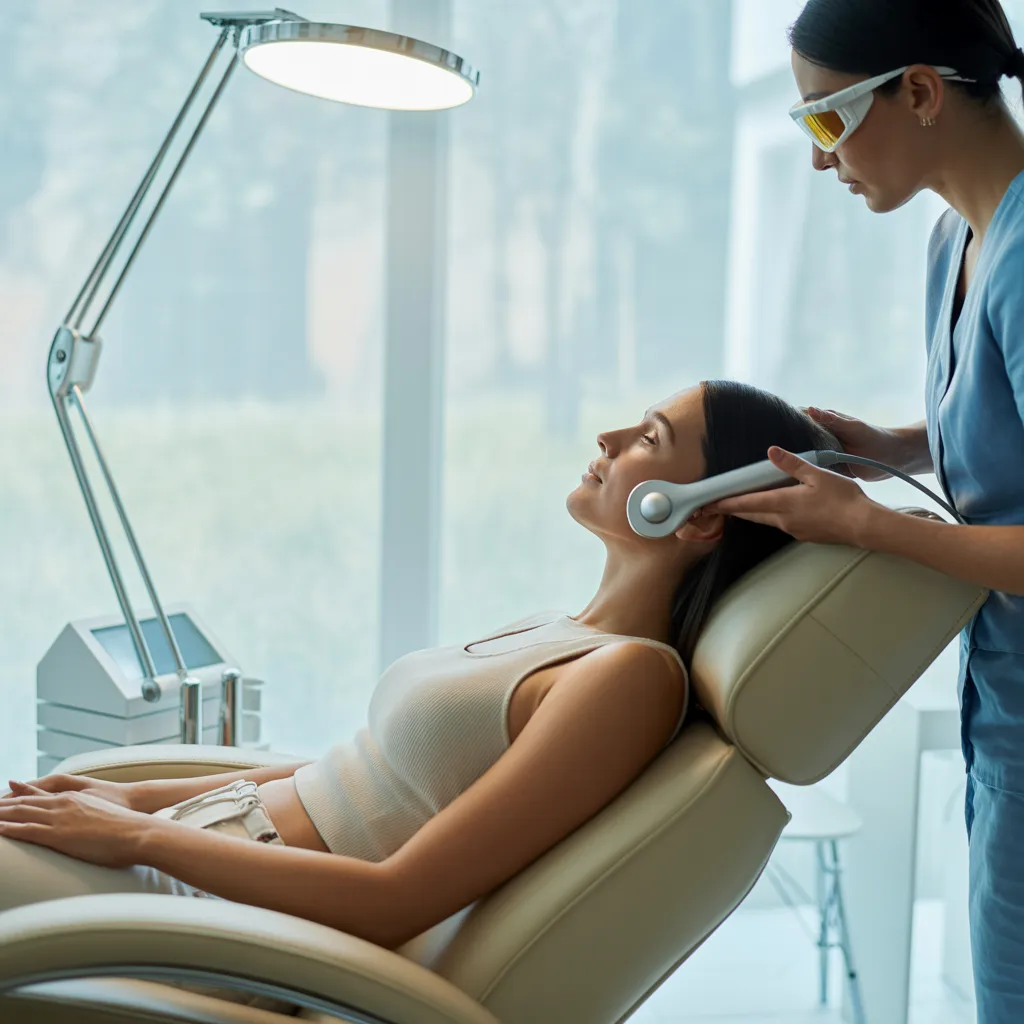
Ultherapy vs HIFU: Which Skin Tightening Procedure Is the Right Choice for You?
When comparing options for skin tightening, how do Ultherapy and HIFU compare? Both procedures use ultrasound technology but vary in application and effectiveness. Ultherapy is FDA-cleared and focuses on the deeper skin layers to stimulate collagen production, producing a more lifted appearance. It is generally recommended for those seeking noticeable lifting effects, particularly on the neck, forehead, and décolleté area.
In contrast, High-Intensity Focused Ultrasound (HIFU) functions in a similar way but often concentrates on superficial layers. This treatment is often favored for its capacity to address a more extensive scope of skin concerns, including surface lines and overall texture improvement.
While Ultherapy is widely regarded as more powerful for substantial skin tightening, HIFU might be a better fit for individuals seeking more subtle improvements. In the end, the decision between Ultherapy and HIFU should be influenced by personal skin concerns, treatment goals, and expert advice.
How Does Ultherapy Treatment Work?
Ultherapy leverages concentrated ultrasound waves to pass through the skin's outer layers, focusing on the deeper skin layers where collagen is generated. This non-surgical procedure employs real-time ultrasound imaging to examine the skin's composition, guaranteeing accurate energy application at targeted depths. By warming the underlying tissue, Ultherapy triggers the body's natural restorative process, fostering collagen production and gradual skin firming.
Patients typically experience little to no discomfort, as the procedure is designed to direct energy to targeted areas without harming nearby tissue. The results of Ultherapy slowly become noticeable, frequently improving over the course of a few months as collagen continues to develop. Treatment sessions typically last between 30 to 90 minutes, according to the specific treatment area.
Results can last for up to a year or more, making it an attractive option for those seeking a non-surgical lift. Altogether, Ultherapy presents an innovative solution for skin firming by utilizing the body's own inherent potential to revitalize and renew skin firmness.
What Exactly Is HIFU?
High-Intensity Focused Ultrasound (HIFU) is a non-invasive technology that utilizes focused ultrasound energy to promote tissue tightening and lifting. The treatment process involves directing ultrasound waves to specific layers of skin, stimulating collagen production for rejuvenation. HIFU is frequently utilized on a range of areas, including the face, neck, and décolletage, effectively targeting loose skin and improving the overall look.
The Science and Technology Behind HIFU
High-Intensity Focused Ultrasound, commonly known as HIFU, harnesses state-of-the-art ultrasound technology to reach and activate deeper dermal layers. This advanced non-surgical method uses precisely directed sound waves to produce controlled thermal energy at precise depths, boosting collagen production while tightening surrounding tissue. By concentrating energy on precise points, HIFU minimizes damage to surrounding tissues, optimizing safety while maximizing effectiveness.
The system uses a portable device that produces ultrasound energy, allowing practitioners to customize treatment depth in accordance with individual skin conditions and goals. HIFU works without the need for incisions, making it a popular choice for patients desiring skin revitalization without considerable downtime. This groundbreaking method has gained popularity for its effectiveness in tightening and lifting the skin, establishing it as a credible choice in cosmetic procedures.
Treatment Procedure Summary
While many seek effective non-invasive skin rejuvenation options, the treatment process of HIFU is distinguished by its simple yet powerful method. HIFU, or High-Intensity Focused Ultrasound, uses ultrasound energy to reach deep layers of the skin, encouraging collagen synthesis without harming the outer layer. The process commonly commences with a consultation to examine individual skin conditions and set goals. A specialized gel is subsequently applied to the targeted area to ensure optimal ultrasound delivery. The HIFU applicator is guided over the skin, emitting focused energy pulses. Each session lasts about 30 to 90 minutes, depending on the treated area. Clients might feel slight discomfort, yet no recovery time is needed, enabling an immediate return to everyday routines.
Key Treatment Zones for HIFU
Non-invasive skincare procedures have become increasingly popular for their effectiveness in addressing specific skin concerns with precision. HIFU, or High-Intensity Focused Ultrasound, is widely recognized for its effectiveness in targeting diverse skin conditions. It is commonly used to treat sagging skin on the face, neck, and décolletage, resulting in a visibly lifted and rejuvenated appearance. Furthermore, HIFU is effective in reducing fine lines and wrinkles, enhancing overall skin texture and firmness. Beyond facial applications, it is highly beneficial for body contouring purposes, addressing problem areas including the abdomen, thighs, and arms. This procedure encourages the natural production of collagen, resulting in lasting skin renewal and revitalization. Many individuals prefer HIFU due to its capacity to achieve visible results without surgical intervention, making it a popular choice among those seeking non-surgical enhancements.
Ultherapy versus HIFU: Treatment Approaches
In comparing Ultherapy and HIFU, key differences in treatment technology come to light, affecting their effectiveness and applications. Each procedure differs in duration, potentially affecting patient choices and scheduling arrangements. Moreover, the distinct areas treated by each method emphasize their distinctive methods of skin tightening and revitalization.
Treatment Technology Distinctions
Ultherapy and HIFU (High-Intensity Focused Ultrasound) utilize distinct technologies to achieve skin tightening and rejuvenation. Ultherapy employs micro-focused ultrasound with visual imaging, allowing practitioners to target specific layers of skin and deliver energy precisely where it access now is needed. This method stimulates collagen production, resulting in lifted and tightened skin over time. By comparison, HIFU employs high-intensity focused ultrasound without real-time imaging, channeling energy to deeper skin layers in a broader manner. Although both procedures encourage collagen regeneration, their technological distinctions affect treatment depth and precision. As a result, patients may notice differing results depending on their individual skin conditions and desired outcomes, making it vital to comprehend these technological differences when evaluating either treatment.
Treatment Time Comparison
When examining treatment times for Ultherapy and HIFU, a number of factors are involved that can impact the overall treatment time. Typically, Ultherapy sessions last between 30 to 90 minutes, based on the targeted areas and the extent of treatment required. In contrast, HIFU procedures usually fall from 30 to 60 minutes. The specific duration for both treatments can fluctuate depending on individual patient needs, the expertise of the provider, and the technology used. Individuals looking for a more extensive treatment may find Ultherapy takes longer because of its comprehensive method. At the end of the day, being aware of these durations can help individuals schedule effectively, ensuring they set aside enough time for their chosen procedure.
Specific Areas Treated
Ultherapy and HIFU each provide distinct methods for non-surgical skin tightening, focusing on particular areas of the face and body. Ultherapy is mainly centered on lifting and tightening the skin across the face, neck, and décolletage by harnessing ultrasound technology to promote collagen production. It is particularly effective for addressing sagging skin and enhancing the jawline and brow area.
By comparison, HIFU (High-Intensity Focused Ultrasound) has a wider scope of use, often used for both body and facial treatments. It addresses areas such as the abdomen, thighs, and arms, making it exceptionally flexible for full-body skin tightening. While both procedures improve skin elasticity, their areas of focus establish the most appropriate option depending on individual aesthetic goals.
What Outcomes Can You Anticipate From Ultherapy and HIFU?
What types of outcomes can people expect from Ultherapy and HIFU? These two treatments work to address skin laxity and support a more youthful aesthetic. Ultherapy commonly produces outcomes such as firmer skin, diminished wrinkles, and improved facial definition. Such positive changes often begin to appear within a few months and can endure for a year or more, depending on each person's unique skin condition and aging progression.
HIFU, or High-Intensity Focused Ultrasound, delivers alike benefits in a similar manner, targeting the lifting and tightening of lax skin. Individuals may notice instant improvements, with progressive advancement across multiple months as the body's collagen synthesis rises.
With either treatment, results tend to vary depending on factors like the patient's age, skin type, and targeted areas. While Ultherapy is often preferred for its precision in deeper layers, HIFU is recognized for its wider and more versatile application. At the end of the day, both options can deliver meaningful improvements in skin tone and texture.
Side Effects and Recovery Periods: Ultherapy vs HIFU
Side effects and recovery periods tend to differ greatly between Ultherapy and HIFU. Ultherapy generally features little to no downtime, with most patients returning to their normal activities straight after the procedure. Common side effects include mild redness, swelling, and tenderness in the treated areas, which generally subside within a few hours to a few days.
In contrast, HIFU tends to cause longer-lasting effects such as bruising and swelling, depending on individual sensitivity. Healing time can vary from a few hours to several days, especially when multiple areas are treated. Even though both options are commonly well-received, patients ought to consider these potential side effects and evaluate their personal schedules when preparing for the procedure. Speaking with a qualified practitioner can enable people to more fully comprehend their specific risks and recovery expectations, facilitating a well-considered choice regarding their treatment options.
Comparing Costs: Ultherapy vs HIFU
When comparing the pricing of Ultherapy and HIFU, significant differences emerge that can influence a patient's choice. Typically, Ultherapy is the costlier option, often ranging from $2,000 to $4,000 per treatment, based on the area being targeted and the provider's level of skill. This elevated cost reflects its FDA approval and advanced technology. In contrast, HIFU treatments typically range between $500 and $2,500, making it a more affordable option for a wide range of patients.
As both treatments provide non-surgical skin firming options, the price variation may cause patients to think about the number of appointments necessary. Ultherapy typically demands fewer treatments, which may offset its greater upfront expense. Clients ought to weigh their financial resources against their expected results to decide which option most closely matches their budgetary and beauty aspirations. Ultimately, a thorough consultation with a qualified provider can provide personalized insights into the most suitable option.
Frequently Asked Questions
What Is the Typical Duration of Ultherapy and HIFU Results?
Results from Ultherapy typically last between 6 to 12 months, while HIFU results can endure from 6 months up to 2 years. Individual factors such as skin type and age can influence durability.
Are Ultherapy and HIFU Appropriate for Every Skin Type?
Ultherapy and HIFU are typically appropriate for a wide range of skin types. However, individual factors such as skin sensitivity and specific conditions should be assessed by a qualified professional to determine the best approach for each person.
Are These Treatments Compatible With Other Procedures?
Ultherapy and HIFU both are safely compatible with other cosmetic procedures, enhancing overall results. Professionals typically recommend personalized treatment plans according to individual skin types and target results to ensure optimal effectiveness and safety.
At What Age Should You Start Ultherapy or HIFU?
The optimal age to undergo Ultherapy or HIFU typically ranges from late twenties to early forties, as people frequently pursue preventive treatments or target early indicators of aging, allowing for the most effective results from these procedures throughout this stage.
How Can I Select a Qualified Provider for These Treatments?
To select a skilled specialist for HIFU or Ultherapy, one should confirm qualifications, gather suggestions, assess patient feedback, and guarantee the specialist has considerable expertise with the specific treatment to assure efficacy and safety.