Thumb Splint for Sprains
Finding the Ideal Support for Thumb Injuries: An In-Depth Guide
Identifying suitable support for thumb injuries is vital for rehabilitation and performance. Different injuries, such as sprains and fractures, demand targeted forms of bracing. Every option offers distinct characteristics that can affect the healing process. Knowing these options can help visit this page patients decide effectively. The appropriate brace can meaningfully influence recovery, but making an informed choice is critical. Which considerations matter most when dealing with a thumb injury?
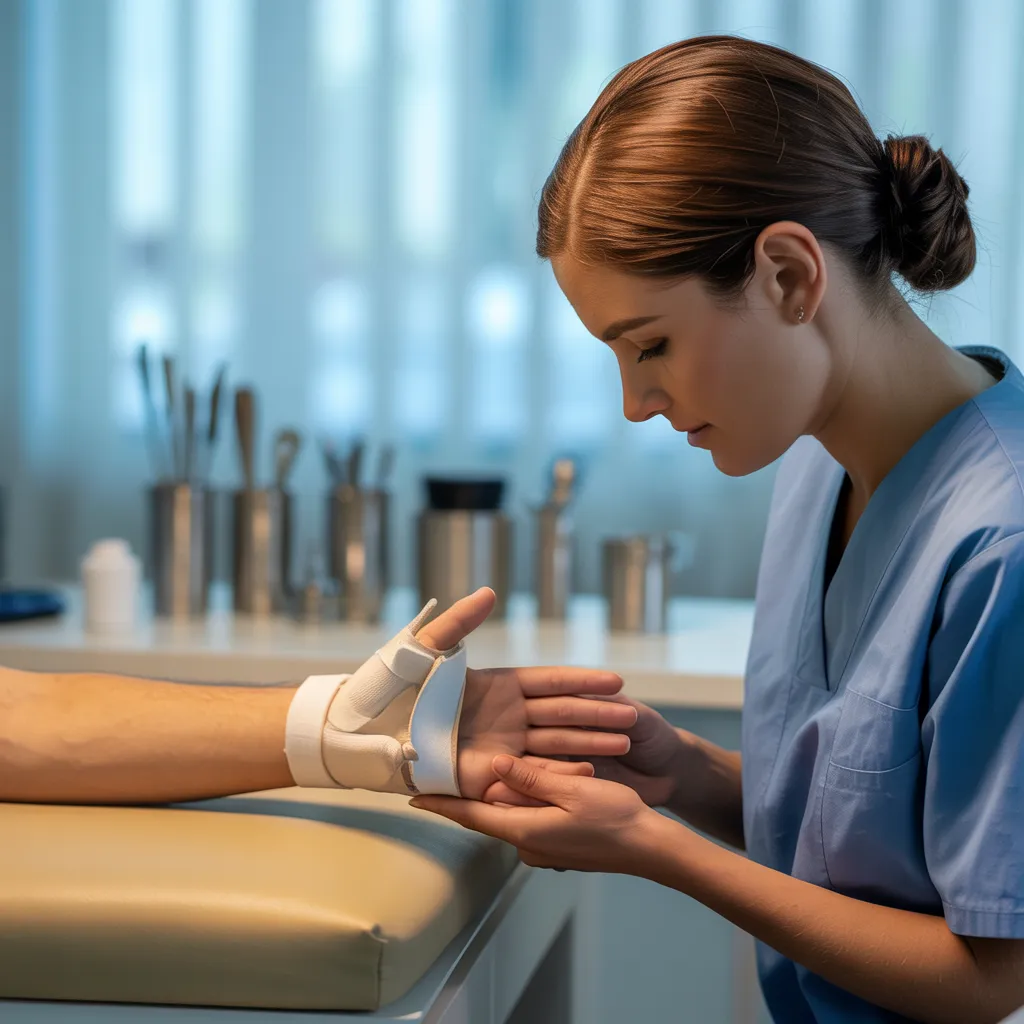
What Are Common Thumb Injuries and How Do They Affect You?
Many people suffer from thumb injuries, which can greatly impact daily activities. Common injuries include sprains, strains, fractures, and tendonitis. Sprains stem from overextended ligaments, commonly leading to aching and swelling. Strains, on the other hand, involve muscular or tendon injury, leading to impaired function and soreness. Fractures, especially those occurring during sports or accidents, can restrict thumb mobility and limit movement, complicating tasks like gripping or pinching.
Tendinitis, commonly seen in those who perform repetitive movements, presents as tissue inflammation, leading to discomfort and diminished thumb function. All of these conditions not only impacts physical capability but also influences emotional well-being, as the inability to perform routine tasks can lead to distress and a lower quality of life. Recognizing these injuries early is critical for effective management and rehabilitation, enabling patients to get back to their routine activities with minimal disruption.
What Types of Thumb Supports Can Help?
Following thumb injuries, individuals often seek suitable supports to assist in recovery and regain functionality. A wide range of thumb supports can be found, all crafted to target individual needs. Wrist braces, as one option, deliver stability to the wrist and thumb, reducing movement during the healing process. Thumb spica splints keep the thumb stationary while letting the rest of the hand move freely, making them a preferred choice for fractures or injured ligaments. Compression sleeves offer both support and warmth, boosting circulation to facilitate the healing process. For patients demanding additional range of motion, pliable thumb supports enable a range of motion while still offering some stabilization. In addition, custom-molded orthotics may offer advantages for long-term conditions, ensuring a snug fit tailored to individual anatomy. Choosing the appropriate option relies on the seriousness of the injury and the required level of support, underscoring the value of well-informed decisions during recovery.
Essential Features of Effective Thumb Supports
When choosing a suitable thumb support, the standard of materials employed is vital for durability and comfort. Moreover, well-planned design characteristics play a significant role in offering the needed stability without restricting movement. Recognizing these key components can assist users in selecting wisely for their thumb conditions.
Material Quality Considerations
Effective thumb supports copyright greatly on material quality, as it directly impacts effectiveness, comfort, and longevity. Premium materials, such as neoprene, elastic, and breathable fabrics, provide essential flexibility while ensuring adequate support. Such materials must remain lightweight while being durable, permitting natural movement without compromising support. Furthermore, moisture-wicking properties can enhance user comfort by preventing sweat accumulation, which is particularly beneficial during extended wear. The type of materials chosen significantly affects the product's lifespan; those that resist wear and tear will ultimately offer better value. In addition, hypoallergenic materials are essential for those with skin sensitivities, guaranteeing lasting comfort and functionality over time. As a result, careful material selection is key to achieving optimal thumb support effectiveness.
Aesthetic and Comfort Characteristics
Even though material quality is critical, the comfort features and design elements of thumb supports hold an equally significant place in their overall effectiveness. An ideal thumb support should include customizable straps to ensure a personalized fit, adapting to different hand sizes and shapes. Ventilated materials improve comfort throughout prolonged use, reducing the risk of skin irritation. Ergonomically shaped designs that conform to the thumb's natural contour offer better support and mobility, permitting routine activities without obstruction. Lightweight construction is crucial, as they decrease fatigue while sustaining stability. Moreover, a low-profile design can facilitate unobtrusive wear in social or professional environments. Together, these features contribute to a thumb support that integrates functionality with wearer comfort, supporting compliance with advised usage guidelines.
Picking the Most Suitable Thumb Support for Your Unique Injury
Selecting the right thumb support is essential for successful recovery from injuries. Consideration must be given to the kind of support, the extent of the injury, and the materials used for comfort. All of these factors are important in ensuring ideal healing and performance.
Thumb Support Types
Selecting the right thumb support is essential for successful recovery from thumb injuries. Multiple thumb supports are on the market, each designed to meet specific needs. Splints provide maximum immobilization, making them ideal for severe injuries. These rigid supports often feature adjustable straps for a customized fit. On the other hand, elastic wraps provide moderate support and flexibility, well-suited for minor strains or overuse injuries. Thumb braces, which merge aspects of both splints and wraps, enable limited motion while providing stability. For those seeking support during activities, supportive sleeves can offer compression without hindering movement. Understanding these options can assist people in choosing the most appropriate support for their recovery path.
Injury Severity Factors
When evaluating thumb injuries, the seriousness plays an essential role in identifying the most effective support. Minor injuries, including sprains, often require flexible braces that allow for movement while offering a degree of stability. In contrast, mid-level injuries may necessitate a more rigid support to reduce mobility and encourage healing. Critical injuries, including bone fractures or substantial ligament damage, typically require immobilizing supports that provide maximum protection and restrict all thumb movement. The type of support should reflect not only the injury's nature but also the point in the recovery process. Proper assessment guarantees that the support utilized aligns with the specific needs of the injury, promoting effective healing while preventing further damage.
Material and Comfort Factors
Choosing the material for thumb support significantly affects both comfort and functionality during recovery. A range of materials can be found, each offering distinct benefits. Soft fabrics, such as neoprene, offer comfort and flexibility, making them a good choice for mild injuries where mobility is required. Thermoplastic rigid supports can offer superior stability for severe injuries, though they may sacrifice some comfort. Ventilated materials improve airflow, minimizing moisture buildup and skin irritation. Furthermore, moisture-wicking materials help maintain dry skin, enhancing overall comfort. Ultimately, selecting the right material is influenced by the severity of the injury and the patient's lifestyle needs. Achieving a balance between support and comfort is key for effective recovery and resuming daily activities.
Tips for Using and Caring for Your Thumb Support
Properly using and caring for a thumb support is crucial for optimizing its advantages and ensuring proper healing. To begin, it is important to use the support as directed by the manufacturer, providing a snug fit without compromising circulation. Regularly inspect the support for signs of wear or damage, as these can affect performance. Keeping the support clean is equally essential; most materials can be wiped down or hand-washed with mild soap and water. Steer clear of aggressive chemicals that might break down the material. During periods of non-use, keep the thumb support in a cool, dry location to avoid deformation. Furthermore, practicing good hand hygiene can assist in preventing infections, particularly when the support is worn for prolonged periods. Lastly, individuals should slowly build up their activity levels, listening to their bodies to avoid overexertion, as this can hinder recovery. Following these tips will help guarantee effective support and promote healing.
At What Point Should You Visit a Doctor for Your Thumb Injury?
How can one identify the appropriate time to consult a doctor for a thumb-related injury? Understanding the symptoms that necessitate professional care is crucial for appropriate recovery. If the thumb shows significant bruising, swelling, or abnormal shape, prompt medical assessment is required. Additionally, continuous pain that remains unaffected by rest or non-prescription medicine may suggest a more significant condition, such as structural injury or ligament trauma.
Another key factor is the failure to move the thumb or complete routine tasks. Such functional impairment may indicate a serious injury that warrants professional evaluation. Moreover, if there is any indication of an infection—evidenced by increased redness, warmth, or pus—a doctor should be sought out. Additionally, if symptoms become more severe over time, seeking medical help is advisable to prevent complications. Early intervention can lead to better outcomes and a more effective recovery plan.
Commonly Asked Questions
Can Thumb Supports Help with Sports Injuries?
Thumb braces can effectively be used for sports-related injuries, providing stability and protection during sporting activities. They work to prevent further injury and assist in recovery, enabling athletes to keep participating while minimizing pain and discomfort.
How Long Should My Thumb Support Be Worn
The period for utilizing thumb stabilization typically ranges from several days to a few weeks, depending on the severity of the condition. It is essential to comply with a medical professional's advice for optimal healing and rehabilitation.
What Are Some Exercises to Build Thumb Strength?
To build thumb strength, individuals can perform exercises like thumb opposition techniques, gripping a stress ball, and incorporating stretching routines. Steady practice develops flexibility and increases strength, supporting improved function and faster recovery from injuries.
Can I Use a Thumb Support While Sleeping?
Utilizing a thumb splint while resting can offer stability and reduce discomfort. It works to limit motion that could worsen injuries, supporting the healing process. However, individual comfort and specific conditions should be considered before use.
What Materials Are Commonly Used to Make Thumb Supports?
Thumb braces are typically crafted from a variety of materials such as neoprene, elastic, cotton, and thermoplastic. These materials provide varying levels of support, comfort, and breathability, catering to the specific needs of thumb injury recovery.