Thumb Splint: Durable Orthopedic Brace
Finding the Ideal Support for Thumb Injuries: An In-Depth Guide
Identifying suitable support for thumb injuries is crucial for healing and function. A range of injuries, such as sprains and fractures, demand particular kinds of support. Each choice presents unique qualities that can impact recovery results. Knowing these options can help people choose wisely. The appropriate brace can meaningfully influence recovery, but making an informed choice is critical. What aspects should be evaluated when managing a thumb injury?
What Are Common Thumb Injuries and How Do They Affect You?
A large number of people deal with thumb injuries, which can significantly affect everyday tasks. Frequent injuries encompass sprains, strains, fractures, and tendonitis. Sprains are caused by stretched ligaments, commonly leading to aching and swelling. Strains, on the other hand, affect damage to muscles or tendons, resulting in weakness and discomfort. Fractures, particularly in sports or accidents, can render the thumb immobile and impair motion, making tasks such as gripping or pinching.
Tendon inflammation, commonly seen in individuals who engage in repetitive movements, presents as inflammation, leading to pain and reduced thumb functionality. These types of injuries not only affects physical capability but also influences mental well-being, as the failure to carry out everyday tasks can lead to stress and a reduced quality of life. Detecting these injuries promptly is critical for successful care and rehabilitation, enabling patients to get back to their everyday tasks with little interruption.
Which Types of Thumb Supports Can Provide Relief?
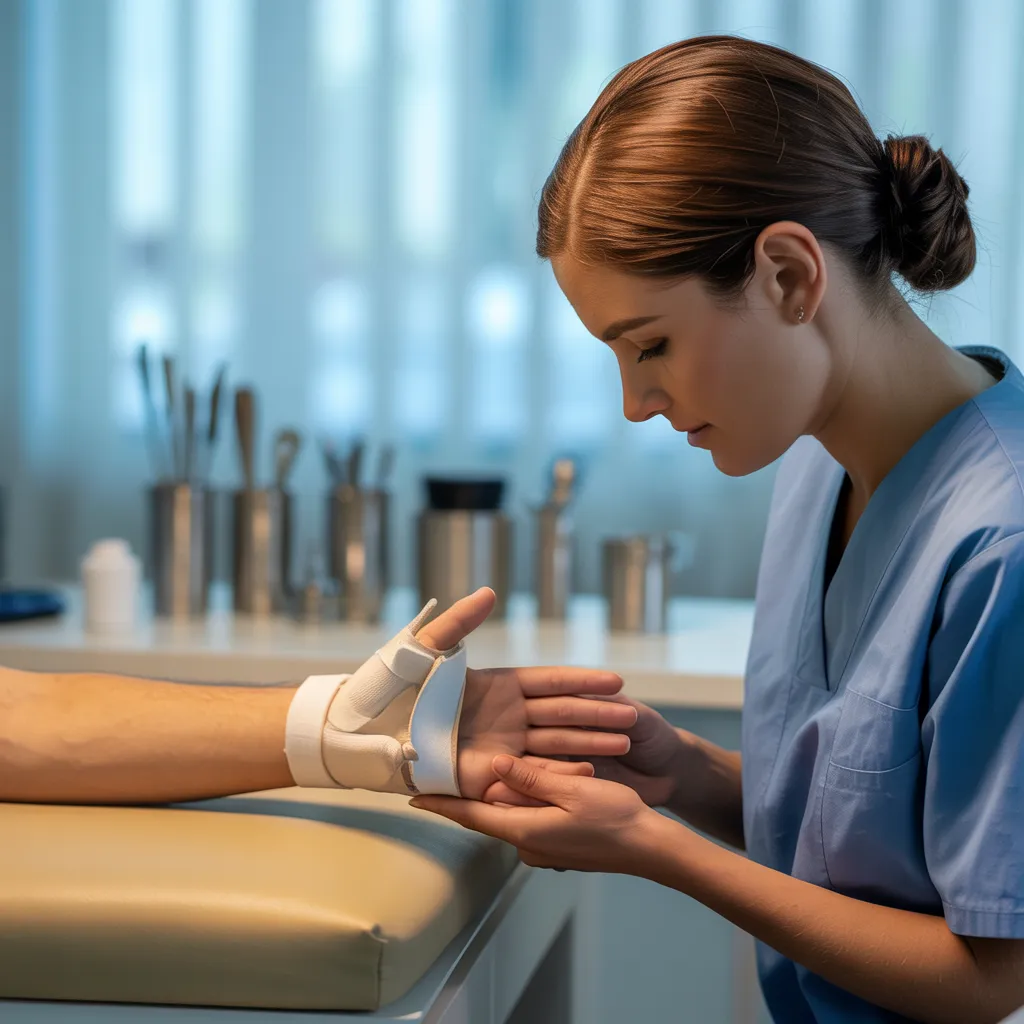
After experiencing thumb injuries, many patients search for appropriate supports to aid recovery and restore functionality. Several thumb support options exist, each intended to meet particular requirements. For example, wrist braces provide stability to both the wrist and thumb, minimizing movement while healing takes place. Thumb spica splints immobilize the thumb while allowing the rest of the hand to function, making them ideal for fractures or ligament injuries. Compression sleeves provide support and warmth, enhancing blood circulation to promote healing. For individuals who need greater movement, pliable thumb supports enable a range of motion while still offering some stabilization. Additionally, custom-molded orthotics may be beneficial for chronic conditions, providing a precise fit adapted to personal anatomy. Selecting the right type depends on the injury's severity and the desired level of support, underscoring the value of well-informed decisions during recovery.
Essential Features of Effective Thumb Supports
When picking out a suitable thumb stabilizer, the caliber of materials utilized is crucial for longevity and ease of use. Moreover, thoughtful design features play a significant role in delivering the required support without hindering mobility. Understanding these essential elements can guide individuals in making informed choices for their thumb injuries.
Material Quality Considerations
High-performing thumb supports rely significantly on material quality, as it greatly influences durability, comfort, and overall performance. Superior quality materials, such as neoprene, elastic, and breathable fabrics, provide essential flexibility while ensuring adequate support. These materials should be lightweight yet robust, allowing for ease of movement without sacrificing stability. Moreover, moisture-management features boost comfort by minimizing perspiration, which is particularly beneficial during extended wear. The type of materials chosen significantly affects the product's lifespan; materials that withstand daily stress provide greater long-term value. Beyond that, allergy-friendly options are vital for users with delicate skin, keeping the support both effective and comfortable throughout extended use. Therefore, selecting the right materials is essential for maximum thumb support performance.
Design and Comfort Features
Even though material quality is critical, the design aspects and comfort characteristics of thumb supports play an equally important role in their efficacy. An ideal thumb support should include adjustable fastening straps to provide a tailored fit, adapting to different hand sizes and shapes. Air-permeable materials boost comfort during long-term wear, preventing skin irritation. Ergonomically shaped designs that conform to the thumb's natural contour provide improved support and movement, permitting routine activities without obstruction. Lightweight structures are essential, as they reduce fatigue while maintaining stability. Moreover, a discreet design can enable discreet use in social or professional settings. Together, these features contribute to a thumb support that integrates functionality with wearer comfort, supporting compliance with advised usage guidelines.
Selecting the Right Thumb Support for Your Particular Injury
Choosing the right thumb support is critical for successful recovery from injuries. It is important to consider the type of support, the severity of the injury, and the materials used for comfort. Each factor plays a significant role in ensuring optimal healing and performance.
Kinds of Thumb Supports
Picking the right thumb support is vital for effective recovery from thumb injuries. Several thumb supports are offered, each designed to meet specific needs. Splints offer maximum immobilization, making them suitable for serious injuries. These rigid supports often feature adjustable straps for a customized fit. On the other hand, elastic wraps deliver moderate support and flexibility, well-suited for minor strains or overuse injuries. Thumb braces, which blend features from both splints and wraps, allow for limited motion while delivering stability. For those requiring support during activities, supportive sleeves can offer compression without limiting movement. Knowing these options can enable users to identify the most fitting support for their recovery process.
Injury Severity Considerations
When evaluating thumb injuries, the extent of the injury plays an essential role in establishing the most effective support. Minor injuries, including sprains, often require adaptable bracing that enable mobility while offering a degree of stability. In contrast, mid-level injuries may necessitate a more firm brace to restrict movement and promote recovery. Critical injuries, including bone fractures or substantial ligament damage, typically demand stabilizing devices that offer full protection and prevent all thumb motion. The type of support should reflect not only the nature of the injury but also the phase of healing. A thorough evaluation ensures that the support utilized aligns with the specific needs of the injury, promoting effective healing while preventing further damage.
Material and Wearability Factors
The choice of material for thumb support plays a major role in both comfort and functionality during recovery. Various materials are available, each offering different benefits. Flexible materials, such as neoprene, deliver both flexibility and comfort, making them suitable for mild injuries where mobility is required. Thermoplastic rigid supports can offer greater stability for severe injuries, though they may reduce overall comfort. Ventilated materials improve airflow, reducing sweat accumulation and skin irritation. Furthermore, moisture-wicking textiles work to keep skin dry, contributing to greater comfort overall. Ultimately, selecting the right material is influenced by the severity of the injury and the patient's lifestyle needs. Balancing support and comfort is crucial for a successful recovery and returning to daily activities.
Advice for Using and Looking After Your Thumb Support
Appropriately using and looking after a thumb support is crucial for optimizing its advantages and ensuring proper healing. To begin, it is important to use the support as directed by the manufacturer, achieving a comfortable fit while maintaining proper circulation. Frequently examine the support for evidence of wear or harm, as these can compromise its functionality. Cleaning the support is equally important; most materials can be wiped down or hand-washed with mild soap and water. Refrain from using strong chemicals that could damage the material. When not in use, store the thumb support in a cool, dry place to prevent deformation. Additionally, maintaining proper hand hygiene can help prevent infections, particularly when the support is worn for prolonged periods. Finally, users should gradually increase activity levels, listening view resource to their bodies to avoid overexertion, as this can slow down recuperation. Adhering to these guidelines will help ensure proper support and encourage recovery.
When Should You See a Doctor for Your Thumb Injury?
How does one determine the correct point in time to pursue medical care for a thumb injury? Recognizing the signs that warrant a doctor's visit is essential for proper healing. If the thumb displays severe swelling, bruising, or deformity, prompt medical assessment is required. In addition, persistent pain that does not improve with rest or over-the-counter medication may indicate a more serious issue, such as a fracture or ligament damage.
An additional important consideration is the inability to move the thumb or perform everyday tasks. This loss of function can signal significant injury requiring professional assessment. Moreover, if there is any indication of an infection—marked by heightened redness, warmth, or pus—a healthcare provider should be sought out. Additionally, if symptoms become more severe over time, it is recommended to seek medical attention to avoid complications. Prompt treatment can result in improved outcomes and a stronger recovery strategy.
Common Questions and Answers
Can Thumb Supports Be Used for Sports Injuries?
Thumb stabilizers can effectively be used for sports-related injuries, delivering support and protection during sporting activities. They work to prevent further injury and support the healing process, permitting athletes to remain active while reducing pain and discomfort.
How Long Should My Thumb Support Be Worn
The length of time for wearing thumb support usually extends from a few days to several weeks, according to the severity of the damage. It's crucial to comply with a healthcare professional's advice for optimal healing and recovery.
What Exercises Can Help Strengthen My Thumb?
To strengthen the thumb, one can engage in exercises including thumb opposition techniques, gripping a stress ball, and performing stretches. Steady practice develops flexibility and increases strength, encouraging greater function and healing from injuries over time.
Is It Okay to Wear a Thumb Support While Sleeping?
Utilizing a thumb splint while resting can deliver support and relieve pain. It helps prevent movement that may exacerbate injuries, promoting healing. That said, personal comfort levels and specific health conditions ought to be evaluated before wearing one.
What Materials Are Thumb Supports Typically Made From?
Thumb supports are generally manufactured using a variety of materials such as neoprene, elastic, cotton, and thermoplastic. Each of these materials provides distinct levels of support, comfort, and breathability, accommodating the individual needs of those recovering from thumb injuries.