Doctor-Approved Aequi Flex Ankle Brace
Typical Ankle Injuries and How the Correct Support Can Assist
Ankle injuries are prevalent, most notably among sports enthusiasts and active individuals. Sprains, strains, and fractures can stem from a variety of causes, including improper movements and excessive force. Such injuries frequently result in pain, swelling, and a notable reduction in mobility. Understanding the types of injuries and the importance of proper support is essential for effective recovery. Appropriate interventions can play a significant role in recovery and future injury prevention. What particular actions can strengthen recovery and promote long-term resilience?
What Are the Most Common Types of Ankle Injuries?
When athletes take part in physical exercise, they often encounter the possibility of suffering various ankle injuries. The most frequently occurring types include sprains, strains, and fractures. Ankle sprains develop when the ligaments are excessively stretched or ruptured, commonly arising from unexpected rotational movements. Strains involve the muscles or tendons surrounding the ankle and might result from overuse or poor technique while engaging in activities. Fractures, defined as breaks within the ankle bones, may result from significant trauma or falls. Every category of injury displays unique symptoms, often including pain, swelling, and limited mobility. Aggravating factors including improper footwear, uneven ground, and poor physical conditioning can heighten the probability of sustaining these injuries. Understanding these common ankle injuries is essential for athletes and active individuals, as it enables more effective prevention measures and well-informed choices regarding proper medical treatment.
How to Recognize a Sprain, Strain, or Fracture
Recognizing the distinctions among a sprain, a strain, and a fracture is essential for effective treatment. Each type of injury presents different symptoms, which can assist with initial evaluations. Additionally, several diagnostic techniques can aid healthcare professionals in making accurate diagnoses.
Ankle Injury Symptoms
A variety of symptoms can help distinguish between a sprain, strain, and fracture in ankle injuries. Sprains typically present with swelling, bruising, and limited range of motion, often accompanied by a popping sound at the time of injury. Strains, in comparison, may generate pain and tenderness in the muscles or tendons, often contributing to challenges in movement. Fractures are distinguished by serious pain, swelling, and deformity, commonly resulting in the inability to place weight on the affected ankle. Although sprains and strains can occasionally be treated with rest and ice, fractures frequently require prompt medical attention to ensure appropriate healing. Understanding these symptoms is vital for timely and appropriate care.
Diagnostic Methods Explained
To properly identify a sprain, a strain, or a fracture, health practitioners utilize both physical examinations and imaging methods. At the outset, they evaluate the patient's mobility, inflammation, and discomfort levels by conducting a detailed physical evaluation. Specific tests may be conducted to evaluate ligament stability and muscle strength.
When additional assessment is required, diagnostic imaging techniques such as MRIs, X-rays, or CT scans are utilized. X-rays are particularly effective for detecting fractures, while MRIs offer in-depth visualization of soft tissues, aiding in the detection of sprains and strains. By integrating clinical assessments with appropriate imaging, clinicians can reliably determine the specific type of ankle injury, informing targeted treatment and recovery approaches.
Top Rehabilitation Exercises for Ankle Recovery
Recovery exercises are fundamental to ankle rehabilitation, working to rebuild strength, mobility, and stability. A highly effective exercise is the ankle alphabet routine, where individuals trace letters with their toes to improve mobility. A further helpful movement involves resistance band training, which targets ankle dorsiflexion and plantarflexion, enhancing strength. Toe raises are additionally useful, encouraging calf development and improved balance. In addition, balance-focused exercises such as standing on one leg help develop proprioception and overall stability. Finally, gentle stretching exercises for the calf and Achilles tendon can maintain flexibility and prevent stiffness. Including these movements within a rehabilitation plan can significantly support recovery, allowing patients to restore complete ankle function. Consistency alongside gradual advancement in challenge levels are key to achieving the best results, allowing people to confidently return to their normal routines in a safe and effective manner.
Ways Braces Can Support Your Healing
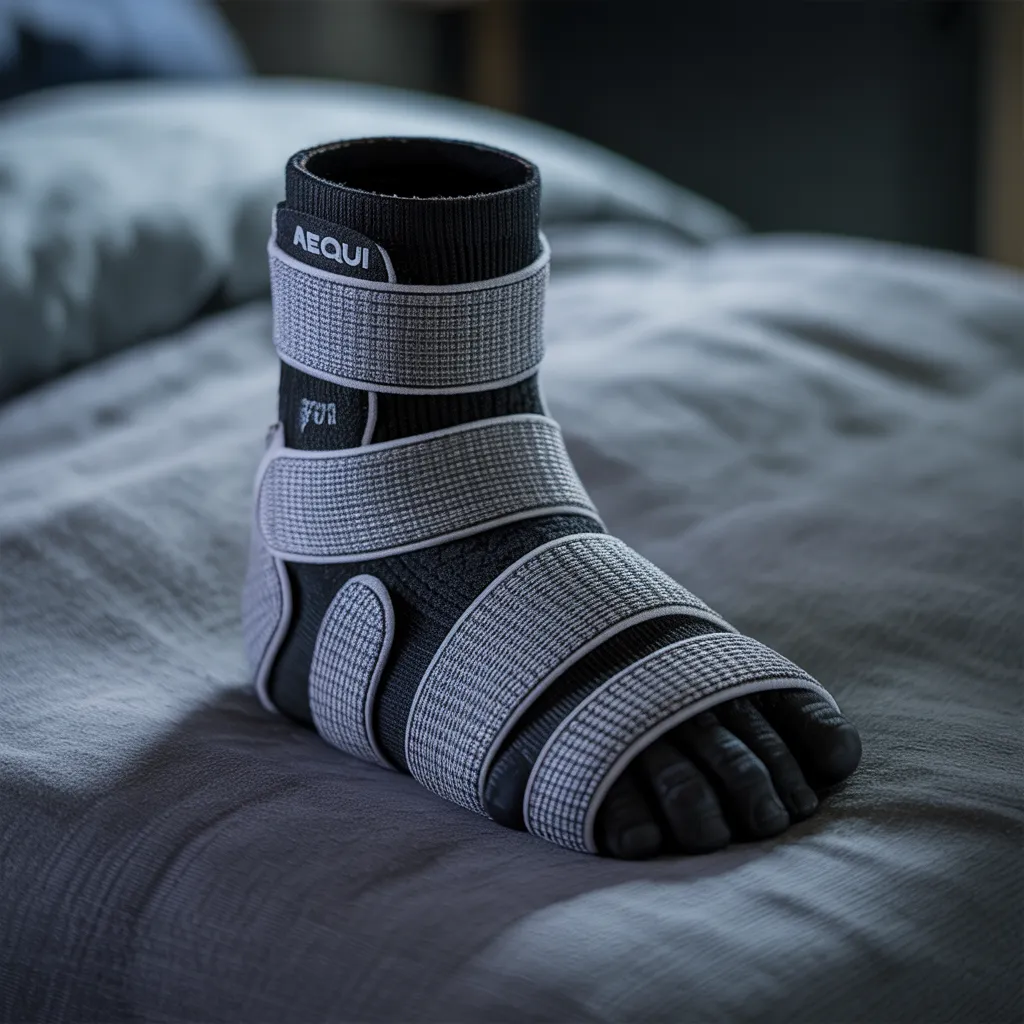
Braces serve a vital function in the healing process for ankle injuries, working alongside rehabilitation exercises. They deliver support and stability, which are essential for shielding the damaged area during rehabilitation. By stabilizing the joint, braces can reduce excessive motion that may cause further harm. This stabilization enables patients to confidently participate in recommended rehabilitation exercises without risking re-injury.
Additionally, braces work to reduce soreness and swelling by delivering compression. This characteristic enhances blood circulation, supporting more rapid healing. Different types of braces, including firm and flexible options, accommodate varying injury levels and individual comfort.
Additionally, the use of a brace can inspire confidence in individuals, prompting them to progressively get back to their regular activities. Ultimately, proper brace usage plays a critical role in successful recovery, acting as an important instrument in addressing ankle injuries while supporting the body's natural healing processes.
Choosing the Best Shoes to Support Ankle Recovery
Selecting the right footwear is vital for successful ankle recovery. Supportive shoe features and proper fit can significantly boost stability and comfort during the recovery process. Furthermore, materials that emphasize comfort play an significant role in alleviating strain on the injured ankle.
Importance Of Proper Fit
Properly fitting footwear serves a critical function in the recovery process following an ankle injury. Ill-fitting shoes can intensify pain and impede the healing process by adding undue strain on the ankle. A proper fit helps support stability and minimizes the chance of further injury, allowing individuals to recover full motion. It is essential for footwear to adjust to any swelling, ensuring adequate space without being too slack. Moreover, the heel and arch support should align with the foot's natural contours to support natural foot mechanics. Selecting shoes that ensure a secure fit can improve overall comfort and promote an engaged recovery process. In summary, choosing properly fitted shoes is critical for effective healing and preventing future ankle complications.
Key Shoe Support Features
Footwear designed with supportive features can significantly influence the rehabilitation from ankle injuries. Shoes that offer adequate arch support help distribute weight evenly, reducing strain on the ankle. A solid heel counter delivers stability, avoiding unnecessary movement that might worsen an injury. In addition, padded midsoles reduce shock, reducing stress during everyday activities. A customizable lacing system provides a secure fit, which is vital for preserving correct alignment and support. Additionally, a spacious toe box permits natural foot motion and prevents additional pressure on sensitive areas. Selecting footwear with these characteristics not only assists in healing but also fosters long-term ankle wellness, ultimately resulting in enhanced mobility and function.
Comfort-Focused Materials
When choosing materials for comfort in shoes, it is important to contemplate how they contribute to ankle recovery. Gentle, breathable materials like mesh or neoprene can prevent irritation while promoting airflow. Meanwhile, cushioned insoles crafted from memory foam or gel offer vital support and shock absorption, minimizing ankle strain. The importance of lightweight materials cannot be overlooked, as they minimize excess fatigue during rehabilitation. Furthermore, shoes with a broad toe box help address swelling, ensuring consistent comfort during recovery. Finally, durable yet adaptable outsoles made from rubber or EVA (ethylene-vinyl acetate) improve grip and stability, promoting safer movement. In summary, the ideal combination of materials can substantially assist in recovery and improve overall comfort.
Best Practices to Prevent Ankle Injuries
Avoiding ankle injuries demands a forward-thinking plan that integrates several techniques. As a starting point, everyone should emphasize suitable footwear, confirming that footwear delivers proper support and cushioning timely resource designed for specific physical activities. In addition, engaging in strength training and flexibility exercises can enhance stability and reduce the risk of injury. Consistently including balance exercises, like utilizing a balance board or performing single-leg stance exercises, is also beneficial.
Additionally, it is crucial to properly warm up and cool down before and after exercise. Active individuals should also be aware of their surroundings, steering clear of uneven surfaces and obstacles that could cause falls. Finally, paying attention to one's body is important; any abnormal pain or discomfort should not be overlooked. By practicing these recommendations, adults can greatly decrease the chances of ankle injuries and sustain an active lifestyle.
Frequently Asked Questions
Can Ankle Injuries Lead to Long-Term Complications?
Ankle trauma can result in long-term complications, including persistent pain, instability, and increased risk of arthritis. Adequate rehabilitation and support play a vital role in minimizing these risks and promoting ideal recovery and function.
When Should I See a Doctor?
Should pain continue for more than a few days, inflammation intensifies, or movement becomes significantly restricted, it's advisable to consult a doctor. Additionally, indications of infection or pronounced bruising require prompt medical evaluation for proper evaluation.
What Role Does Nutrition Play in Recovery?
Nutrition plays an essential role in the recovery process by providing vital nutrients that promote healing, reduce inflammation, and support tissue repair. The right levels of protein, vitamins, and minerals boost overall recovery, facilitating a quicker return to normal function.
Are There Specific Stretches for Ankle Flexibility
That's correct, particular stretches aimed at ankle flexibility consist of ankle circles, calf stretches, and toe raises. These stretching techniques increase range of motion, enhance circulation, and contribute to overall joint health, resulting in enhanced ankle performance and prevention of injuries.
How Can I Strengthen My Ankles to Prevent Injuries?
To fortify ankles and reduce the risk of injuries, incorporating resistance exercises, balance training, and proprioceptive activities is essential. Exercises such as ankle circles, toe raises, and resistance band workouts can improve stability and maintain joint integrity efficiently.