Discover a DNA Paternity Test for Fast Results
The Growth of At-Home Paternity Testing: Accuracy, Privacy, and Convenience
The increasing prevalence of at-home paternity tests represents a significant shift in how people approach the verification of parentage. With reliability rates frequently surpassing 99%, these assessments present a practical method for gathering genetic samples. However, persistent worries regarding privacy about DNA data continue to exist. As a growing number of families explore this form of testing, they need to weigh the implications of accuracy, privacy, and emotional consequences. What elements should they focus on in their decision-making process?
How Do At-Home Paternity Tests Work?
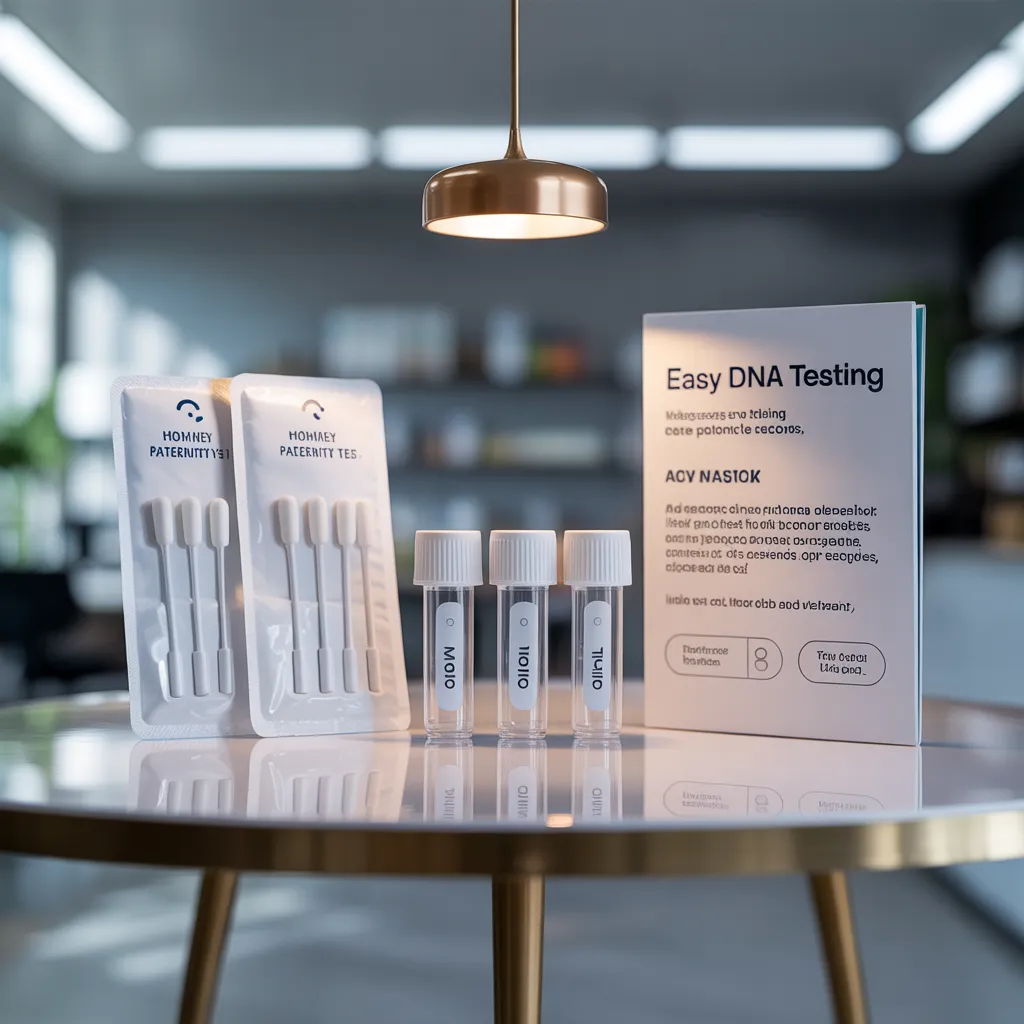
Residential paternity tests commonly work by means of an uncomplicated method centered around collecting genetic material. Individuals receive a testing kit equipped with swabs intended for cheek cell collection, usually from both the prospective father and the child. Users are instructed to gently rub the swabs inside their cheeks to gather sufficient DNA material. Once the specimens have been gathered, the swabs are secured in provided containers before being mailed to a lab for examination.
Within the lab, the DNA is extracted and analyzed to identify specific genetic markers. This evaluation matches the DNA patterns of the child and the alleged father to confirm paternal relationship. Results are usually available within a few days, and the procedure is intended to remain user-friendly, ensuring minimal discomfort. Home testing convenience attracts numerous individuals, enabling people to find results in the privacy of their own environment. This method emphasizes the examination's increasing recognition as a trustworthy solution for establishing paternal identity.
What Is the Accuracy of Home Paternity Tests?
What level of accuracy do home paternity tests provide in establishing biological relationships? Typically, these tests are designed to provide a high degree of accuracy, frequently surpassing 99% when performed properly. The process involves analyzing DNA specimens from the presumed father, child, and in some instances the mother, matching genetic markers to determine a relationship. However, the accuracy can be influenced by factors such as sample contamination or improper handling.
Most home tests utilize cutting-edge approaches akin to those found in professional labs, yet they may be without the rigorous supervision associated with professional testing. In addition, results can fluctuate between competing kits and providers, underscoring the necessity of selecting a reliable source. While home paternity tests can deliver a clear suggestion of biological ties, individuals should approach them with caution, bearing in mind that serious legal and personal consequences may arise from the findings. In the end, for total assurance, working with a professional testing facility is recommended.
What Are the Key Privacy Concerns?
Although home paternity tests provide a convenient way to establish genetic connections, they also raise significant privacy concerns. The gathering and management of genetic samples, typically collected as oral swabs or saliva specimens, has the potential to cause unlawful access or exploitation. Many companies do not guarantee the security of collected samples, leaving individuals vulnerable to data breaches.
Furthermore, the results may be disclosed to third parties without clear consent, intensifying concerns of discrimination or discrimination. Consumers may also be not fully aware of how their genetic information will be kept or potentially applied to research objectives.
Additionally, the emotional implications connected to unanticipated findings can complicate the domain of data privacy. On the whole, while these assessments deliver ease and accessibility, the shortage of robust regulatory frameworks and accountability in the handling of personal data prompts critical examination about personal rights regarding data privacy and autonomy over their personal genetic data.
How Do Test Outcomes Impact Emotional Well-Being?
The emotional consequences from paternity test results can be profound and far-reaching. Individuals may experience a spectrum of emotions, ranging from happiness and relief to resentment and heartbreak. For certain individuals, a positive match can validate longstanding assumptions, fostering a bond of trust and reassurance. On the other hand, a negative result may lead to emotions of uncertainty, bewilderment, and grief, particularly if a close family tie is brought into doubt.
These sentiments may reach beyond the person affected to affect family relationships. Parents could wrestle with fear and guilt concerning what this means for their children, while siblings could encounter changes in how they view family relationships. Moreover, societal stigma may intensify these emotions, as individuals navigate societal expectations surrounding parentage. At the core of it all, the psychological impact of paternity testing outcomes differs considerably, highlighting the complex interplay between personal identity, trust, and mental health.
Essential Factors for Selecting a Home Paternity Test
Steering through the emotional landscape after paternity test results frequently causes people to consider their options thoughtfully, particularly when selecting a home paternity test. A number of important considerations warrant consideration to guarantee a dependable and favorable outcome.
Initially, accuracy is paramount; individuals should seek tests with high sensitivity and specificity rates. Additionally, the ease of use is vital; a straightforward collection process can alleviate stress. Data protection is also a critical factor; trustworthy providers must ensure the safe management of personal information and outcomes.
Cost is also a factor; prospective users should balance the cost against the assessment's reliability and customer support. Finally, user reviews and personal accounts shed light on the experiences of fellow customers, offering guidance in maneuvering through options. By thoroughly considering these aspects, people can arrive at well-informed decisions that match their personal requirements and goals.
Common Questions and Answers
Are At-Home Paternity Tests Accepted as Legal Evidence in Court?
Home paternity tests are commonly not legally admissible in court owing to reliability issues and a lack of consistent testing protocols. Courts generally mandate analyses carried out by certified laboratories to serve as valid legal evidence in paternity disputes.
How Long Does It Take to Get Home Paternity Test Results?
Home paternity testing results usually take anywhere from three to five days to be processed. Certain providers offer expedited services, shortening the processing time to approximately 24 hours, based on the particular testing method selected.
Is Retesting an Option if I'm Uncertain About My Results?
Yes, individuals can take the test again if uncertain about the outcome. It is recommended to allow some time to pass before retesting to ensure reliable results. Consulting a professional can also offer insight into the best steps to take.
What Samples Are Required for Home Paternity Tests?
Residential paternity test kits usually call for buccal swabs from the child as well as the potential father, however a number of kits are also compatible with blood specimen samples. Correct collection and careful handling of these samples is critical to achieving accurate results.
Are There Age Restrictions for Testing Children?
There are generally no specific age restrictions for testing children with home paternity tests. Nevertheless, securing consent from a legal guardian is generally necessary, making certain that the child's view this rights and privacy are upheld during the entire process.