Best Home Paternity Test Kits for Family Clarity
The Growth of At-Home Paternity Testing: Reliability, Discretion, and Accessibility
The growing popularity of at-home paternity tests highlights a considerable change in how people approach parentage verification. With precision levels commonly reaching beyond 99%, these assessments provide a practical method for collecting DNA samples. However, underlying concerns about privacy about personal genetic information continue to exist. As an increasing number of individuals consider this form of testing, they must carefully assess the implications of emotional consequences, accuracy, and privacy. Which considerations should guide them in determining the right course of action?
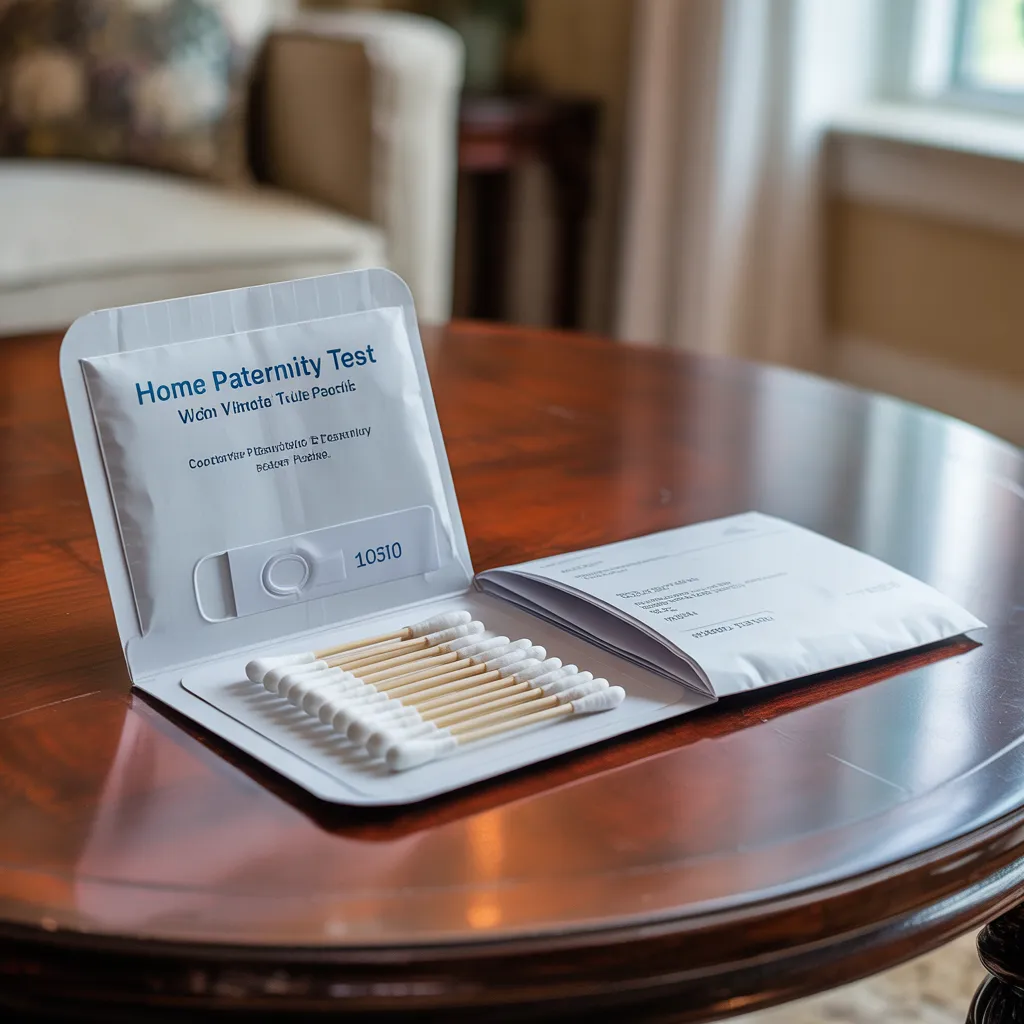
How Do At-Home Paternity Tests Work?
At-home paternity tests generally operate through a straightforward process involving the collection of DNA samples. Individuals receive a testing kit equipped with swabs intended for cheek cell collection, typically from the potential father and child. Users are instructed to gently rub the swabs inside their cheeks to gather sufficient DNA material. After collecting the samples, the swabs are secured in provided containers before being mailed to a lab for examination.
Within the lab, the DNA is isolated and studied to identify specific genetic markers. This analysis compares the DNA profiles of the child and the alleged father to confirm paternal relationship. Outcomes are generally provided within a few days, and the procedure is intended to remain user-friendly, guaranteeing little inconvenience. Home testing convenience attracts numerous individuals, similar resource permitting individuals to obtain clarity in the seclusion of their own home. This method emphasizes the test's growing popularity as a dependable choice for paternity verification.
How Reliable Are Home Paternity Tests?
What level of accuracy do home paternity tests provide in establishing biological relationships? Generally, these tests claim to offer a high accuracy rate, often exceeding 99% when conducted correctly. The process involves analyzing DNA specimens from the presumed father, child, and in some instances the mother, matching genetic markers to determine a relationship. Nevertheless, the reliability of results may be affected by elements such as sample contamination or incorrect handling procedures.
The majority of home tests utilize sophisticated methods similar to those used in certified facilities, yet they may be without the strict quality control associated with professional testing. In addition, results can fluctuate between competing kits and providers, emphasizing the necessity of choosing a reliable source. While home paternity tests can provide a reliable sign of genetic connections, individuals should exercise discretion, recognizing that significant emotional and legal ramifications may result from the findings. At the end of the day, for absolute certainty, working with a professional testing facility is advisable.
What Are the Main Privacy Issues to Consider?
Whereas home paternity tests present a practical method for confirming genetic connections, they also introduce serious privacy issues. The acquisition and processing of genetic data, commonly obtained through oral swabs or saliva specimens, may result in improper access or misappropriation. Numerous providers fail to ensure the security of collected samples, leaving individuals vulnerable to privacy violations.
Moreover, the results may be disclosed to third parties without express consent, increasing worries of social stigma or bias. Consumers may also be unaware of how their genomic data will be retained or potentially applied to research purposes.
In addition, the affective dimensions associated with surprising discoveries can complicate the privacy landscape. Taken together, while these assessments deliver convenience and broad access, the absence of strict regulatory oversight and openness in how data is managed raises serious questions about personal rights regarding data privacy and authority over their individual genetic material.
How Do Test Results Affect Emotions?
The psychological impact from paternity test results can be profound and far-reaching. Individuals may experience a whirlwind of reactions, ranging from relief and joy to resentment and heartbreak. For certain individuals, a positive match can validate longstanding assumptions, fostering a sense of connection and security. On the other hand, a negative result may lead to a sense of confusion, disbelief, and sorrow, particularly if a close family tie is brought into doubt.
Such feelings often spread beyond the individual to influence relationships within families. Parents may grapple with feelings of guilt or anxiety over the implications for their children, while siblings might face changes in how they view family relationships. Furthermore, social stigma can exacerbate these feelings, as people manage the social pressures related to parenthood. In the end, the emotional toll of paternity test results can vary significantly, highlighting the complex interplay between sense of self, trust, and psychological wellness.
Key Factors for Choosing a Home Paternity Test
Steering through the emotional landscape following paternity test results frequently causes people to consider their options thoughtfully, particularly when selecting a home paternity test. Several key factors warrant consideration to ensure a dependable and favorable outcome.
First, exactness is critical; consumers are advised to select tests offering superior sensitivity and specificity scores. Next, usability is of great importance; an uncomplicated collection procedure can help reduce anxiety. Data protection is also a critical factor; reputable companies should guarantee secure handling of personal data and results.
Expense is also a key factor; potential users should weigh the price against the test's credibility and support services. In addition, user reviews and personal accounts shed light on the experiences of fellow customers, helping individuals work through the various alternatives. By thoroughly considering these aspects, individuals can make informed choices that align with their needs and expectations.
Questions Our Clients Often Ask
Can Home Paternity Tests Be Used as Legal Evidence in Court?
Home paternity tests are typically unable to be used as legal evidence in court owing to reliability issues and a lack of consistent testing protocols. Courts generally mandate testing performed by accredited laboratories for reliable legal evidence in paternity cases.
How Long Do Home Paternity Test Results Take?
Results from home paternity tests generally take anywhere from three to five days for processing. Certain providers offer faster turnaround options, reducing the wait time to approximately 24 hours, depending on the specific testing method used.
Can I Retest if I'm Unsure of Results?
Yes, individuals can retest if not confident in the outcome. It is recommended to pause briefly before retesting to ensure precise outcomes. Consulting a professional can also help determine the right path forward.
What Samples Do You Need for Home Paternity Tests?
Home paternity tests typically require oral swab samples from both the child and the presumed father, though certain kits can also accommodate samples taken from blood. Appropriate collection and proper handling of such samples are vital for obtaining reliable results.
Are There Age-Related Limitations for Children's Testing?
There are typically no particular age limitations when testing children using home paternity tests. Nevertheless, securing consent from a legal guardian is generally necessary, making certain that the child's rights and privacy are upheld during the entire process.