Best Aequi Flex Ankle Brace
Common Ankle Injuries and How the Right Support Can Help
Ankle injuries are common, particularly among athletes and active individuals. Sprains, strains, and fractures can stem from a variety of causes, including improper movements and excessive force. These conditions commonly cause pain, swelling, and a considerable loss of mobility. Understanding the types of injuries and the importance of proper support is essential for effective recovery. Appropriate interventions can play a significant role in recovery and future injury prevention. What particular actions can strengthen recovery and promote long-term resilience?
What Are the Most Common Types of Ankle Injuries?
When athletes take part in physical exercise, they often face the risk of sustaining various ankle injuries. Among the most common types are sprains, strains, and fractures. Ankle sprains occur when ligaments are overstretched or torn, usually caused by abrupt twisting motions. Strains affect the muscles or tendons around the ankle and can develop from excessive effort or incorrect form during physical pursuits. Fractures, which are breaks in the ankle bones, can arise from high-impact trauma or falls. Every category of injury displays unique symptoms, frequently involving soreness, swelling, and reduced range of motion. Aggravating factors including improper footwear, uneven ground, and poor physical conditioning can heighten the probability of sustaining these injuries. Recognizing these prevalent ankle injuries is vital for athletes and physically active people, as it enables more effective prevention measures and well-informed choices regarding proper medical treatment.
How to Identify a Sprain, Strain, or Fracture
Recognizing the distinctions among a sprain, strain, and fracture is critical for successful treatment. Each type of injury presents different symptoms, which can guide initial assessments. Furthermore, various diagnostic methods can aid healthcare professionals in making accurate diagnoses.
Common Symptoms of Ankle Injuries
Several symptoms can assist in differentiating between a sprain, strain, and fracture in ankle injuries. Sprains commonly manifest with swelling, bruising, and restricted range of motion, frequently accompanied by a popping sound at the moment of injury. Strains, in comparison, may generate pain and tenderness in the muscles or tendons, often contributing to challenges in movement. Fractures are identified by intense pain, swelling, and deformity, often leading to an inability to support weight on the affected ankle. Whereas sprains and strains may sometimes be addressed with rest and ice, fractures typically demand immediate medical care to ensure proper recovery. Identifying these symptoms is critical for prompt and effective treatment.
Diagnostic Approaches Outlined
To correctly differentiate between sprains, strains, or fractures, medical professionals use a blend of physical assessments and diagnostic imaging. At the outset, they evaluate the patient's mobility, inflammation, and discomfort levels by conducting a detailed physical evaluation. Specific tests may be conducted to assess the stability of ligaments and the strength of muscles.
If further evaluation is needed, imaging methods such as X-rays, MRIs, or CT scans are utilized. X-rays prove especially valuable in identifying fractures, while MRIs provide detailed images of soft tissues, assisting in diagnosing sprains and strains. By integrating clinical assessments with appropriate imaging, clinicians can reliably determine the specific type of ankle injury, directing appropriate treatment and rehabilitation plans.
Best Rehabilitation Exercises for Ankle Recovery
Rehabilitation exercises play an essential role in ankle recovery, working to rebuild strength, mobility, and stability. One particularly useful exercise is the ankle alphabet method, in which patients trace the alphabet with their toes to enhance range of motion. A further helpful movement involves resistance band training, which targets ankle dorsiflexion and plantarflexion, enhancing strength. Toe raise exercises are equally beneficial, supporting calf strength and better balance. Additionally, performing balance exercises, such as standing on one leg, can enhance proprioception and stability. Finally, gentle stretching exercises for the calf and Achilles tendon can maintain flexibility and prevent stiffness. Integrating these exercises into a structured rehabilitation program can greatly assist in recovery, allowing patients to restore complete ankle function. Consistency alongside gradual advancement in challenge levels are key to achieving the best results, allowing people to confidently return to their normal routines in a safe and effective manner.
How Braces Can Help You Heal
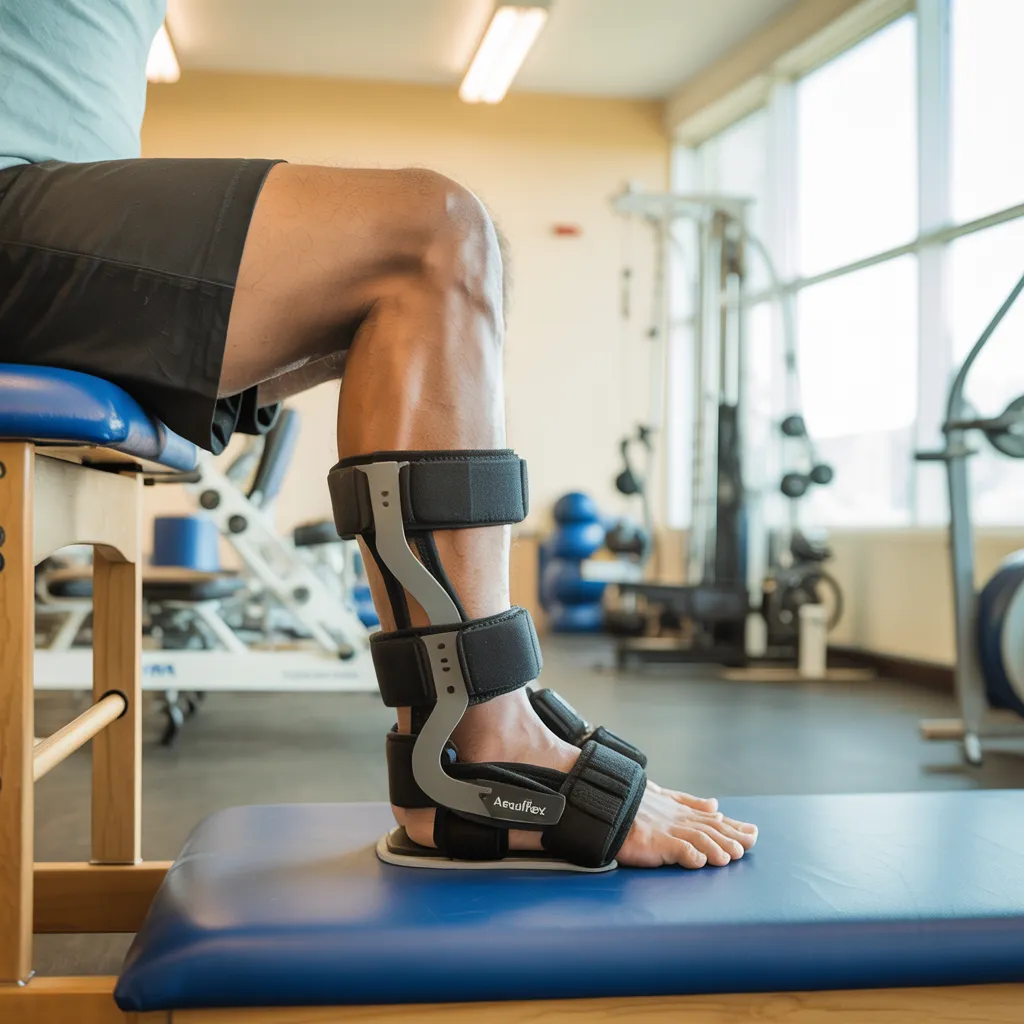
Braces play a significant role in the rehabilitation process for ankle sprains, supporting rehabilitation activities. They deliver support and stability, which are critical for shielding the damaged area during rehabilitation. By restricting joint movement, braces can prevent excessive movement that may result in additional injury. This support enables patients to confidently participate in recommended rehabilitation exercises without the risk of re-injury.
Furthermore, braces may help alleviate pain and swelling by offering compression. This quality enhances blood circulation, facilitating faster healing. Several types of braces, including elastic and rigid options, address varying injury levels and individual comfort.
Additionally, a brace can help build confidence in patients, encouraging them to gradually return to daily activities. All things considered, the appropriate use of braces is essential for effective recovery, functioning as a fundamental resource in the treatment of ankle injuries while supporting the body's natural healing processes.
Picking the Right Footwear for Ankle Recovery
Picking the right footwear is essential for effective ankle recovery. Supportive shoe features and proper fit can considerably boost stability and comfort during the healing process. Moreover, materials that focus on comfort play an important role in alleviating strain on the injured ankle.
Importance Of Proper Fit
Correctly sized footwear serves a critical function in the healing journey following an ankle injury. Poorly fitted footwear can exacerbate pain and hinder healing by adding undue strain on the ankle. A secure fit helps maintain stability and lowers the likelihood of further injury, permitting patients to regain mobility. It is essential for footwear to accommodate any swelling, providing enough room without being excessively loose. Additionally, the arch and heel cushioning should align with the foot's natural contours to support natural foot mechanics. Selecting shoes that ensure a secure fit can enhance comfort and encourage a more active recovery. In summary, prioritizing well-fitted footwear is vital for effective healing and preventing future ankle complications.
Essential Supportive Shoe Characteristics
Footwear designed with supportive features can significantly influence the healing journey after ankle injuries. Shoes featuring proper arch support assist in distributing weight uniformly, lessening pressure on the ankle. A sturdy heel counter offers stability, reducing excessive motion that could aggravate an injury. Additionally, padded midsoles reduce shock, minimizing impact during daily activities. An adaptable lacing system ensures a snug fit, which is crucial for sustaining proper alignment and stability. Furthermore, a wide toe box allows for natural foot movement and minimizes unnecessary pressure on delicate areas. Opting for footwear with these qualities not only assists in healing but also fosters long-term ankle wellness, ultimately contributing to better mobility and performance.
Comfort-Focused Materials
When choosing materials for comfort in footwear, it is crucial to consider how they contribute to ankle recovery. Gentle, breathable materials like mesh or neoprene can reduce irritation while promoting airflow. Furthermore, cushioned insoles composed of memory foam or gel offer vital support and shock absorption, decreasing pressure on the ankle. Lightweight materials also play a key role, as they reduce unwanted fatigue during rehabilitation. Additionally, shoes with a broad toe box help accommodate swelling, ensuring sustained comfort while healing. Finally, durable yet adaptable outsoles made from rubber or EVA (ethylene-vinyl acetate) enhance grip and stability, encouraging safer mobility. Overall, the right combination of materials can significantly support recovery and enhance overall comfort.
Effective Practices to Avoid Ankle Injuries
Avoiding ankle injuries demands a forward-thinking plan that integrates several techniques. To begin, everyone should emphasize suitable footwear, confirming that footwear delivers proper support and cushioning designed for specific physical activities. Furthermore, incorporating strength-building and flexibility workouts can boost stability and minimize injury risk. Routinely integrating balance-focused activities, such as using a wobble board or practicing single-leg stands, proves to be highly effective as well.
Furthermore, it is essential to adequately warm up and cool down before and after working out. Adults should also be conscious of their physical environment, avoiding uneven surfaces and obstacles that could result in falls. Lastly, listening to one's body is essential; any abnormal pain or discomfort should not be overlooked. By following these recommendations, people can significantly reduce the probability of ankle injuries and keep up an active lifestyle.
Questions We Often Receive
Are Ankle Injuries Capable of Causing Long-Term Complications?
Injuries to the ankle can result in chronic complications, including chronic pain, joint instability, and greater susceptibility to arthritis. Adequate rehabilitation and support play a vital role in minimizing these risks and promoting ideal recovery and function.
How Do I Know When to See a Doctor?
When pain lingers for several days, inflammation intensifies, or movement becomes significantly restricted, seeking medical advice is recommended. In addition, indications of infection or pronounced bruising necessitate urgent medical care for thorough assessment.
How Does Nutrition Impact the Recovery Process?
Proper nutrition plays a critical role in the recovery process by providing vital nutrients that support tissue repair, reduce inflammation, and promote healing. The right levels of protein, vitamins, and minerals boost overall recovery, allowing for a more rapid return to normal function.
Do Specific Stretches Exist for Ankle Flexibility
Indeed, targeted ankle flexibility exercises include calf stretches, toe raises, and ankle circles. These exercises timely resource improve range of motion, enhance circulation, and support overall joint health, resulting in enhanced ankle performance and prevention of injuries.
How Do I Build Stronger Ankles to Avoid Injuries?
To strengthen ankles and prevent injuries, combining resistance exercises, balance training, and proprioceptive activities is key. Exercises such as ankle circles, toe raises, and resistance band workouts can improve stability and maintain joint integrity efficiently.